Empowering 26.6 Million Learners Through Ethiopia’s Climate Education Plan
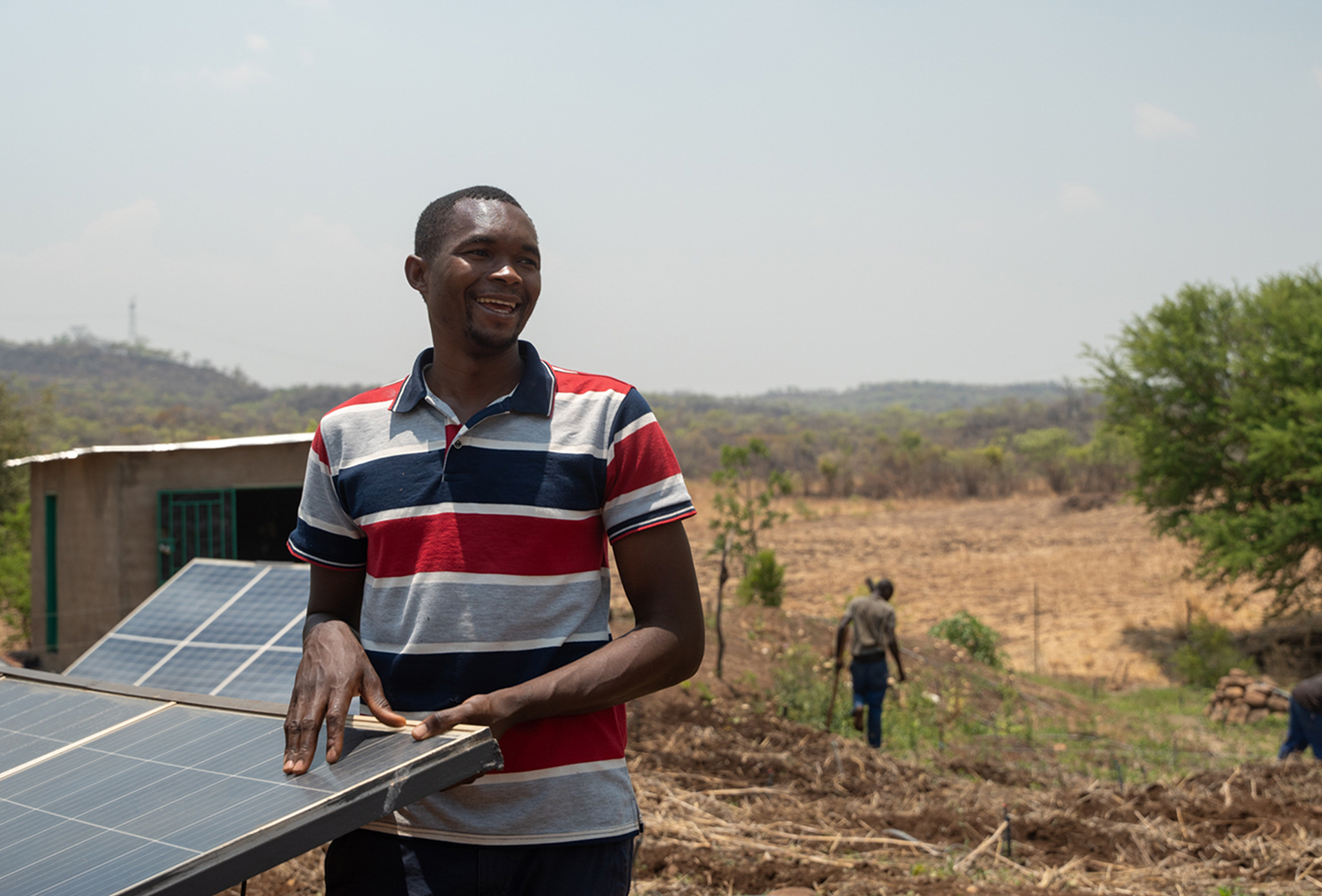
In 2024, Ethiopia launched its NDC Implementation Plan for the Education Sector, marking a strategic leap in climate education. Building on the 2017 National Climate Change Education Strategy supported by UN CC:Learn, the plan targets 26.6 million students and over 700,000 teachers. It aims to mainstream climate change across curricula, train educators and raise awareness among youth and adults, including farmers and policymakers. By embedding climate knowledge into all levels of learning, Ethiopia is translating awareness into action in support of its target to reduce emissions by 69 per cent by 2030.
Read more in the full report >
This is data that didn’t exist before. It was very important for us to complete work to create a dataset that we could use in the evaluations of our products’ recyclability and to make decisions.

Microsoft
UNITAR and Microsoft’s Journey in Conducting E-Waste Recycling Rate Assessments
The partnership between Microsoft and SCYCLE Programme was built on a shared commitment to sustainability and innovation in e-waste management. Together, we conducted in-depth research in Italy and Germany to collect efficiency rates for materials commonly recycled in electronics, a data set that, to their knowledge, had never been captured before.
Read full storyPromoting Chemical Safety and Environmental Stewardship in SIDS and Cameroon
In the Caribbean, 12 Small Island Developing States advanced the sound management of chemicals through a Regional Assessment and Training and Awareness Programme on the Globally Harmonized System of Classification and Labelling of Chemicals (GHS). Conducted with the Basel Convention Regional Centre for Training and Technology Transfer for the Caribbean, the initiative identified implementation gaps and trained 76 government and industry actors as “GHS Ambassadors,” supporting regional GHS adoption to safeguard public health and the environment.
Read more in the full report >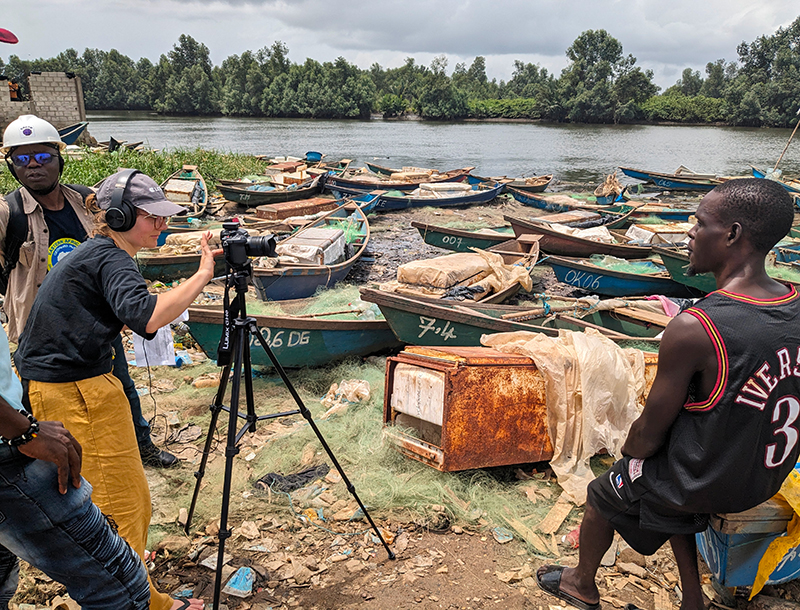

The course proved to be a pivotal moment in my career, unveiling the crucial role of policy in shaping a sustainable future and highlighting the effectiveness of green industrial policy tools.
Afifa Tajrin
Bangladesh
Women Engineers at the Forefront of the Green Transition
Supporting Responsible E-Waste Management and Recycling
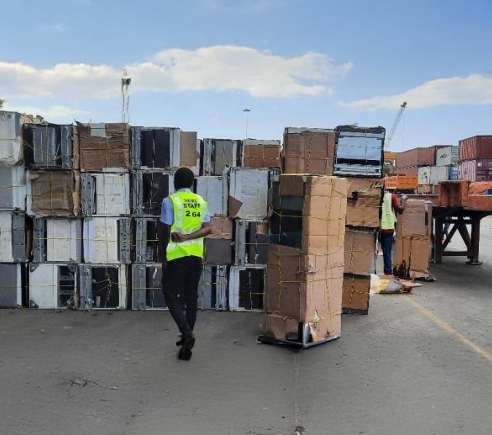
The ReduCE Waste project supported the Government of Tanzania in establishing mechanisms to reduce and control the import of electronic waste (e-waste). The project analysed transboundary flows of e-waste and Used Electrical and Electronic Equipment (UEEE) and contributed to the development and pilot testing of a national strategy aligned with the Basel Convention Technical Guidelines. It strengthened local capacities for import control and is designed for replication in other East African countries, targeting stakeholders such as policymakers, customs officials and relevant authorities in both exporting and importing countries.
Read more in the full report >
This project has opened a new outlook for inter-agency coordination and communication, strengthening the ties between institutions and coordinated work for chemicals management.
Carlos Grajeda Hernndez
San Salvador, El Salvador
Towards Safer Chemicals Management